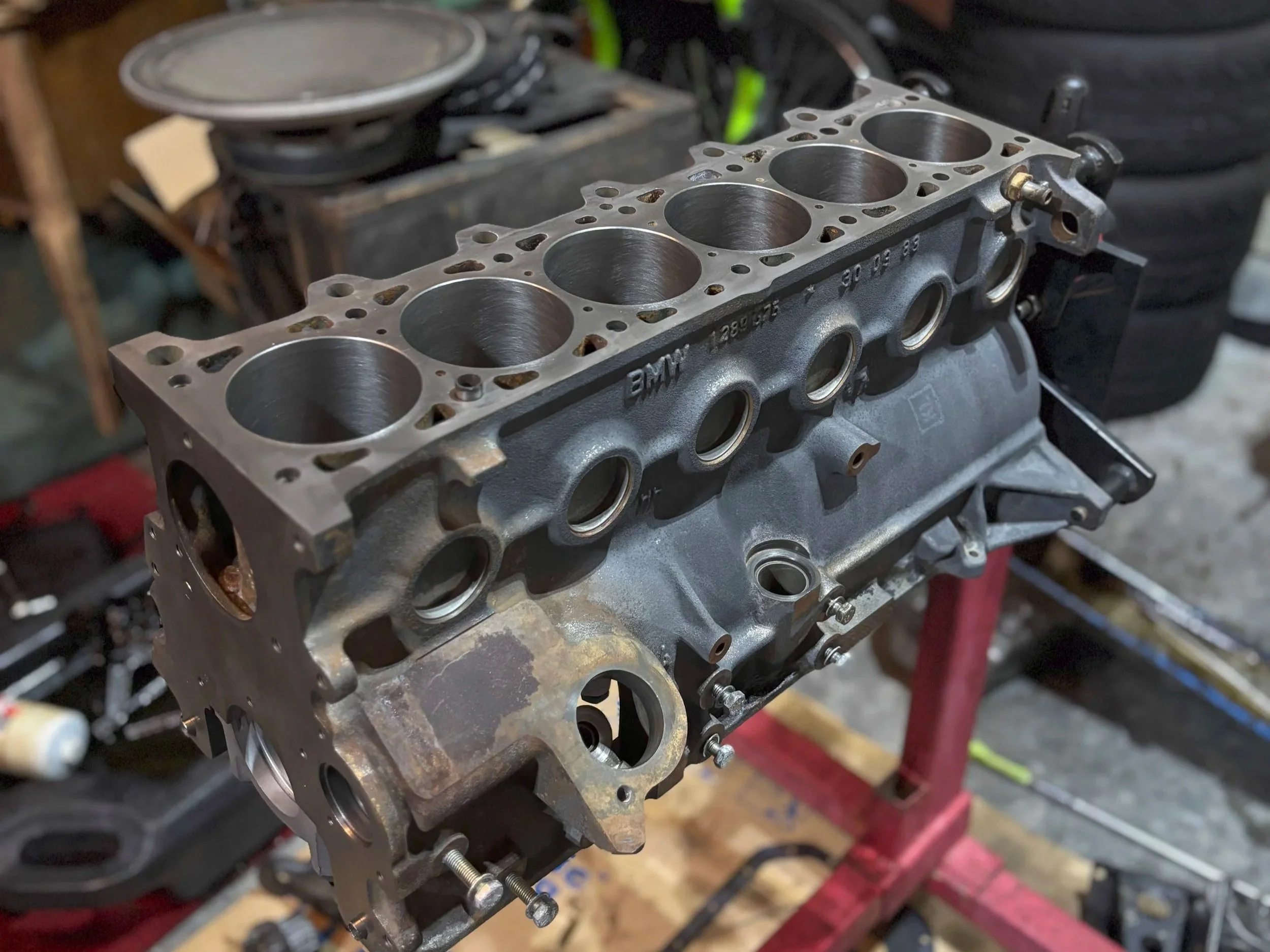
M20B27 Stroker Build
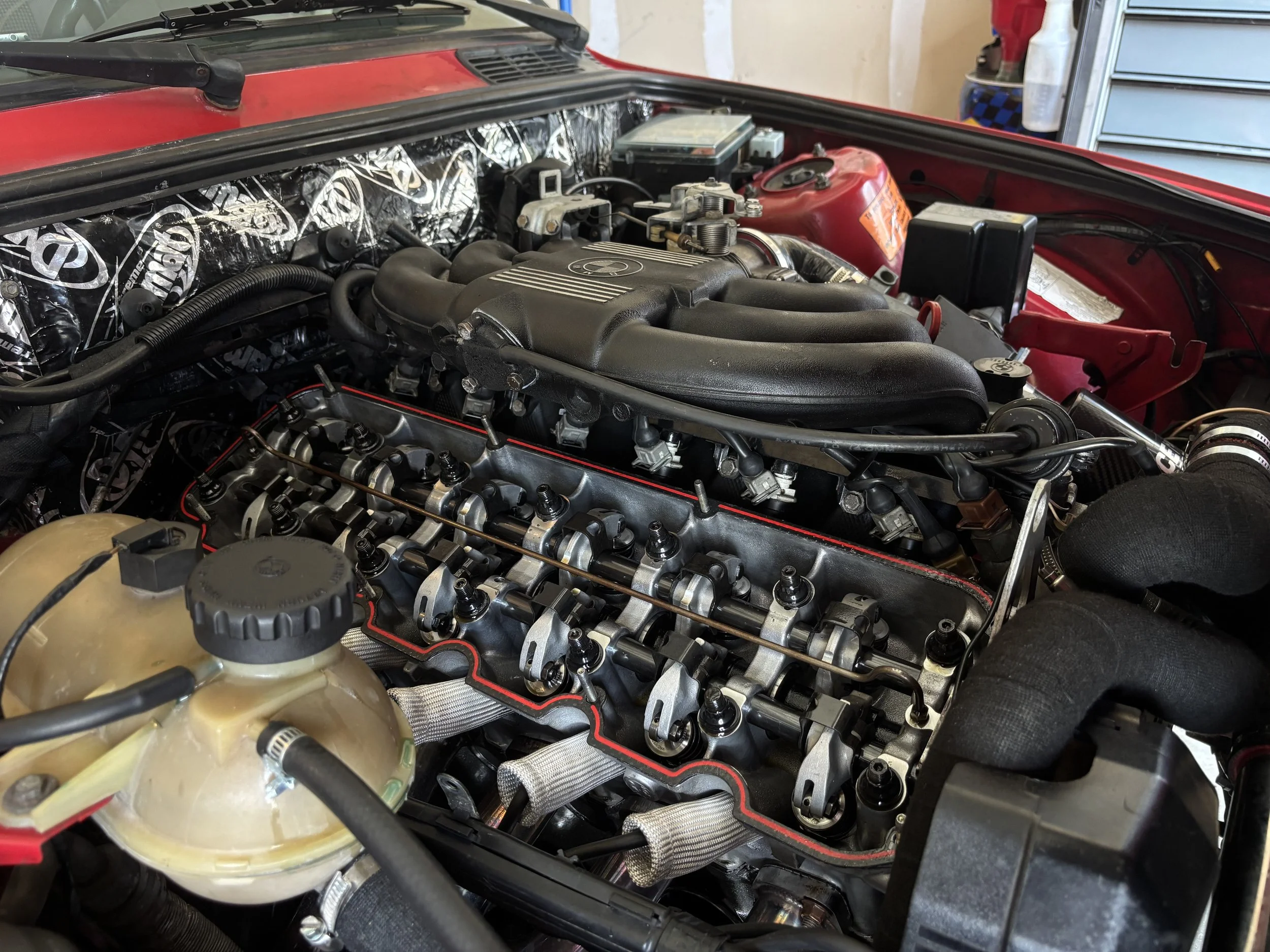
The OEM+ Recipe: My M20B27 "Stroker Build
The BMW M20 engine is the charismatic heart of the E30, but in stock form, it often leaves you wanting more. The goal for this build wasn't a modern engine swap; it was to create the version of the M20 that BMW should have built: high compression, high flow, and 2.7 liters of displacement.
The Piston Hunt: A Facebook Marketplace Miracle
If you've spent any time researching M20 stroker builds, you know the struggle is all about the reciprocating assembly. To get the displacement to 2.7L, you need the 81mm forged crank (found in the ETA or M21 diesel), but the challenge lies with the piston to deck height.
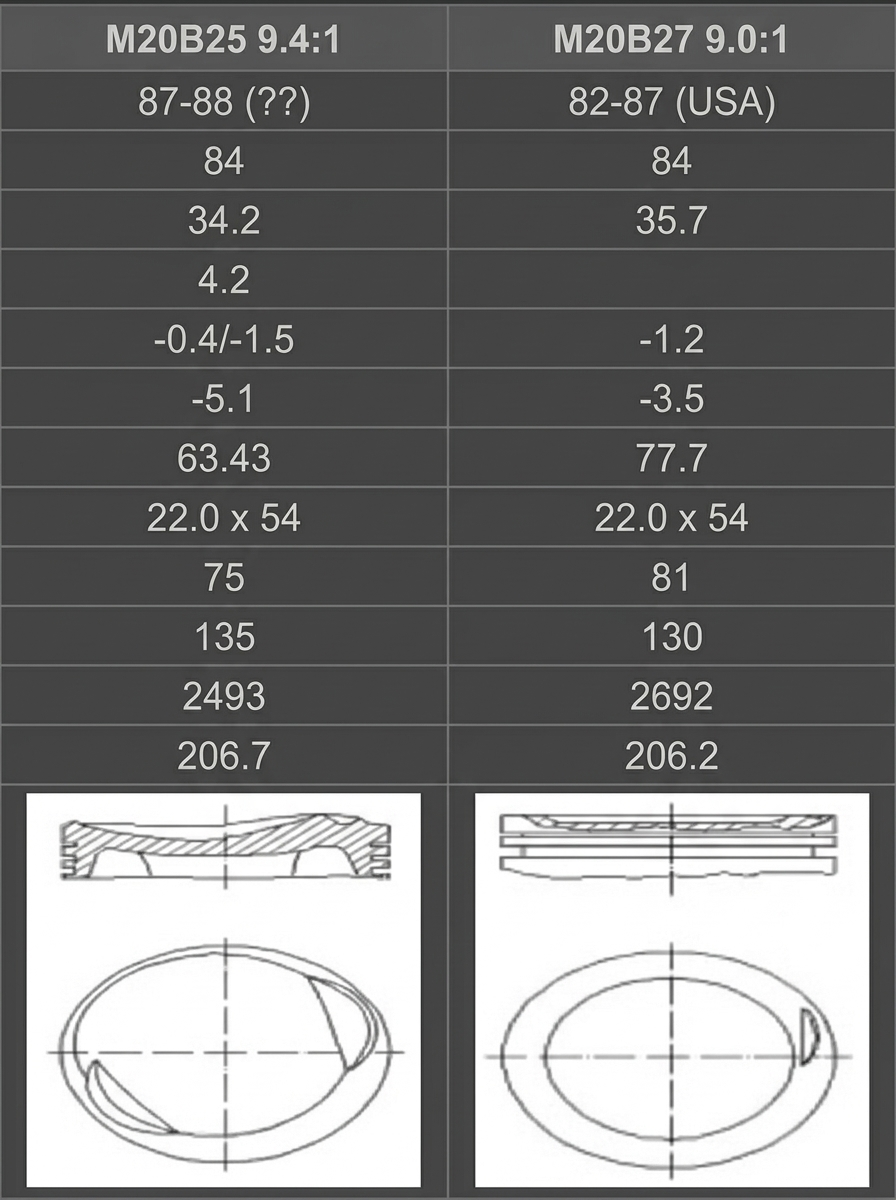
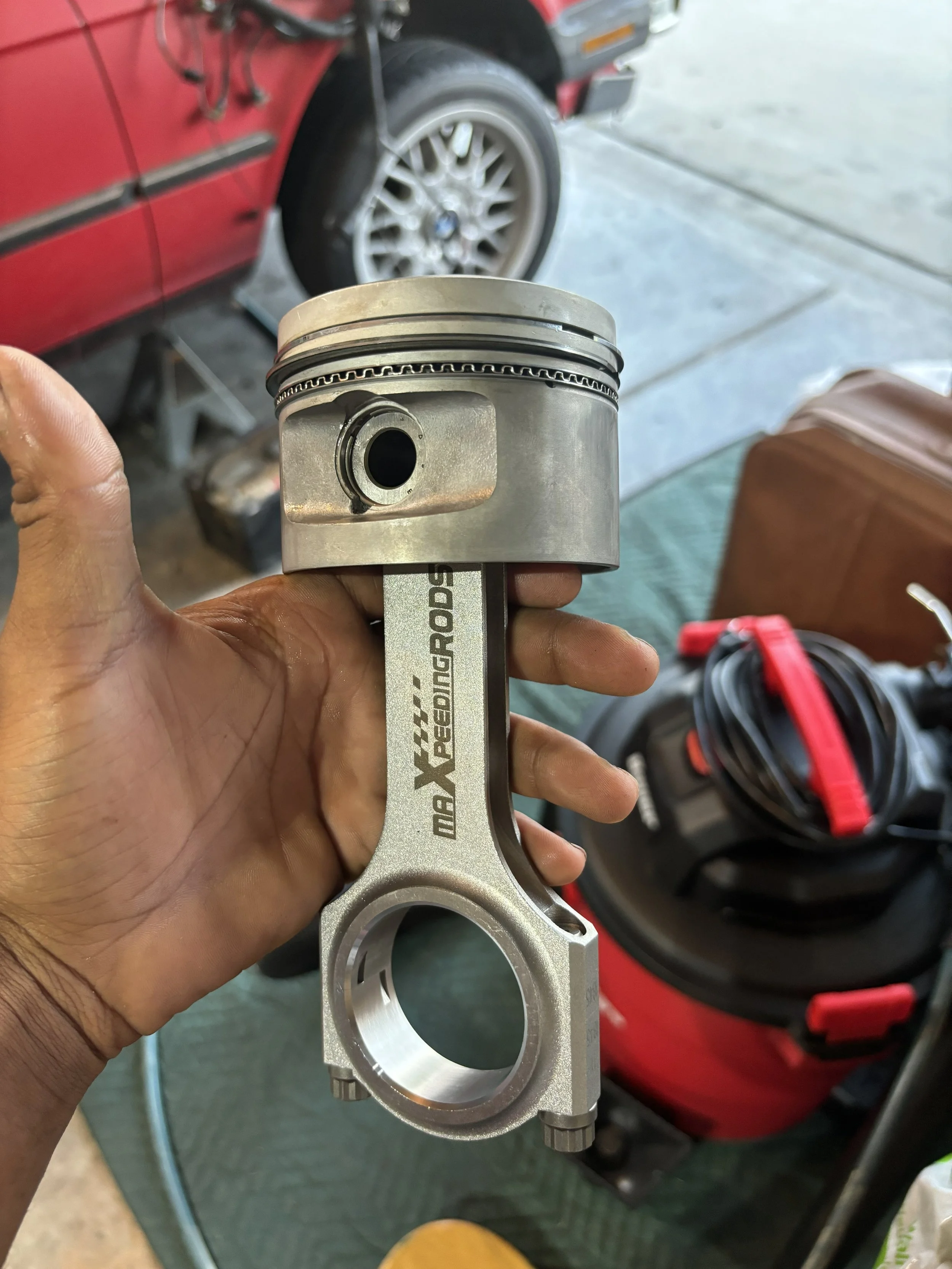
Finding the 1988 only "Super ETA" short skirt pistons is the most challenging part of the puzzle. Most early "Eta" engines used heavy, long skirt pistons with flat tops, yielding a static compression ratio of 8.5:1 suitable for boost, but far too sluggish for a high string naturally aspirated project.
The '88 pistons feature a unique dome profile that, when paired with the 135mm "i" connecting rods, allows for a much more aggressive 9.7:1 or 10.0:1 compression ratio (depending on your head gasket thickness). I spent months scouring forums until a set popped up in an E30 group. I didn't even negotiate; I just moved. Scoring those pistons turned a "maybe" project into a high compression reality.
Headwork & Valvetrain
An engine is essentially an air pump, and 2.7L of displacement is wasted if the cylinder head can't keep up. To solve this, I mated the block to the 885-casting head from a 325i. Unlike the 200-casting found on early ETAs, the 885 head feature larger valves (42mm intake / 36mm exhaust) and larger intake ports.
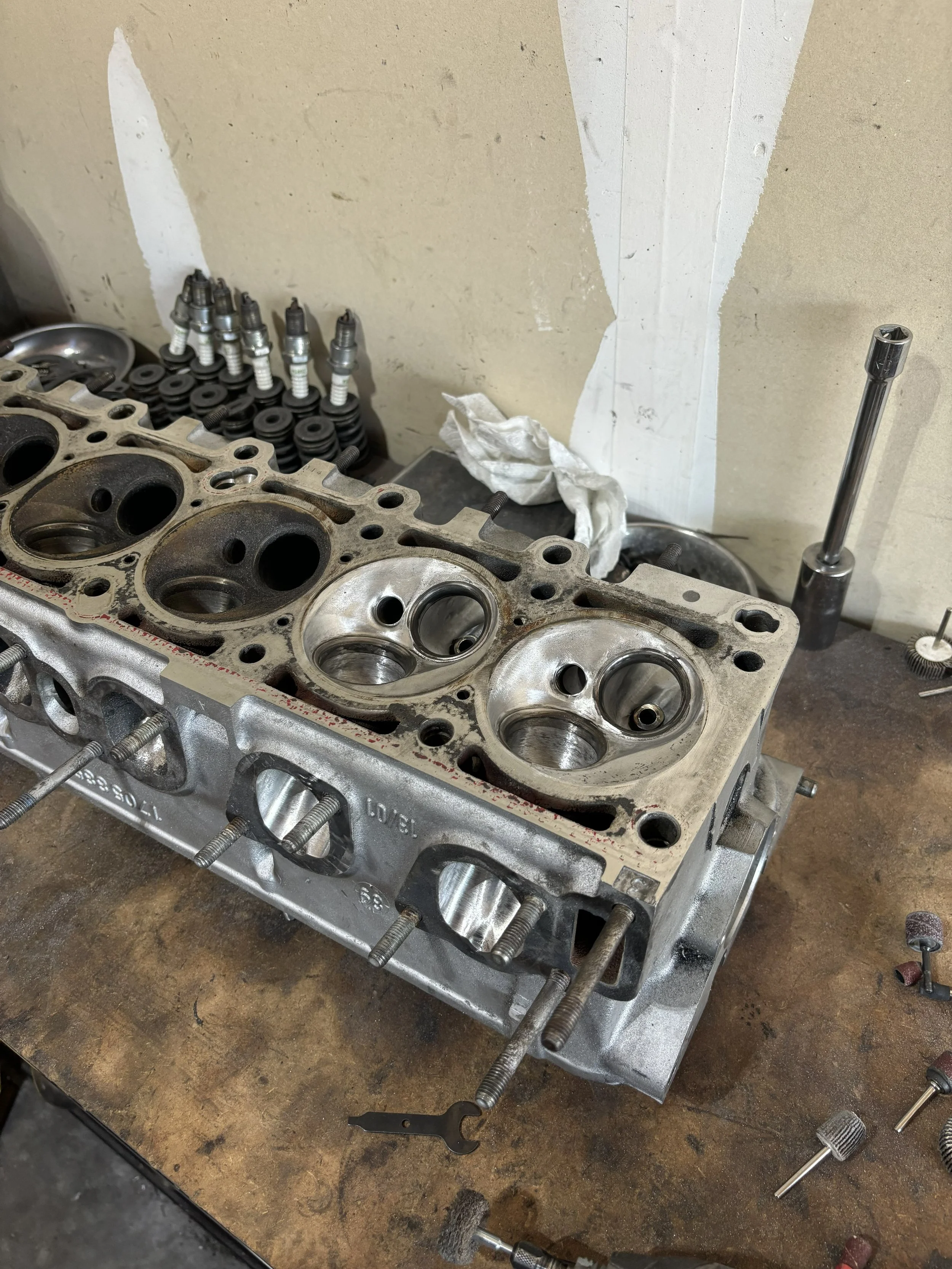
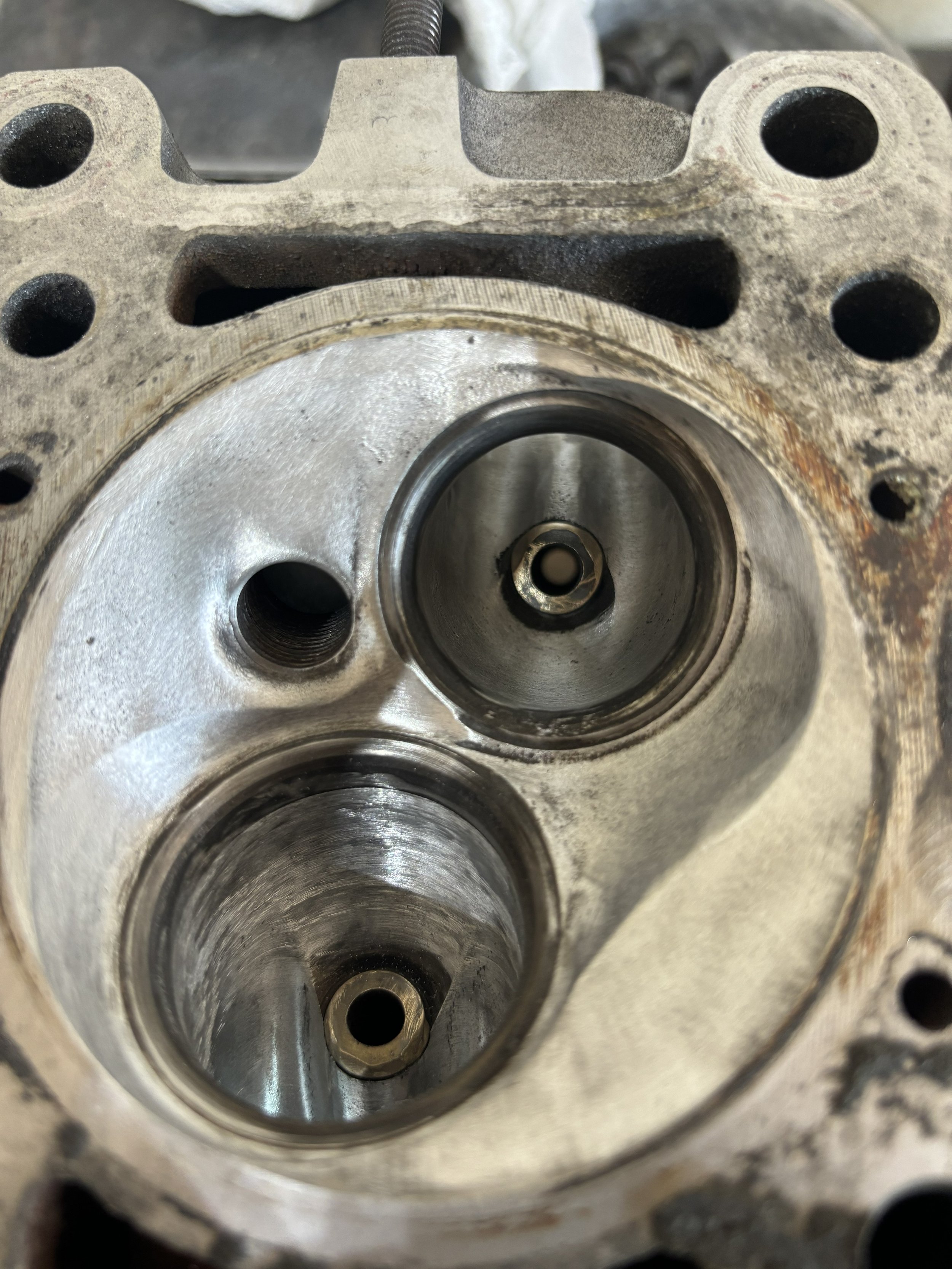
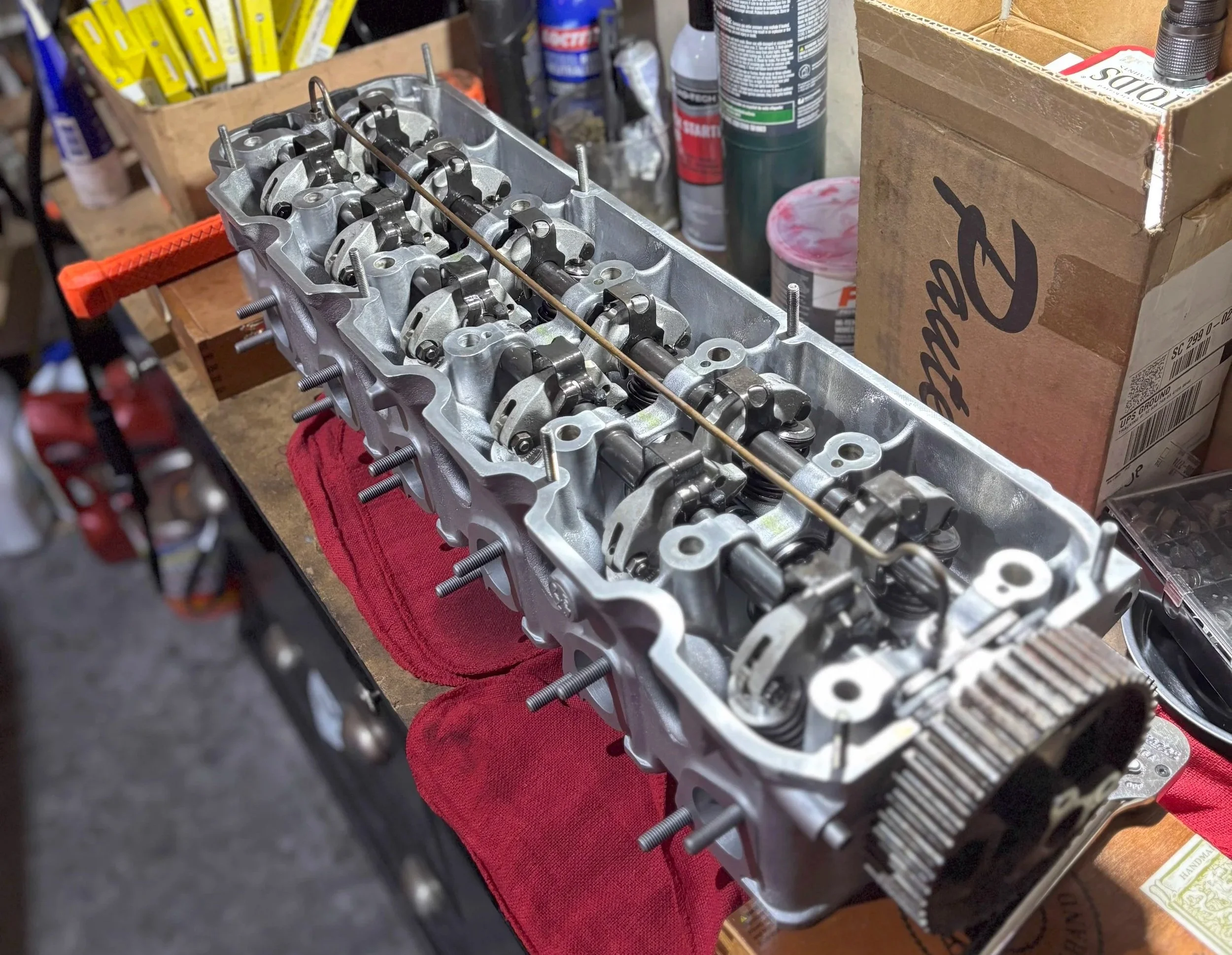
I performed a heavy port and polish to smooth out factory casting marks and optimize flow. To complement the Ireland Engineering 272 Cam, I wasn't going to trust decades old stock springs. I swapped in Schrick valve springs and VAC Titanium retainers. This setup isn't just about chasing a power figure; it's about stabilizing the valvetrain at high RPM. The titanium hardware reduces the mass of the moving parts, providing a much crisper response and insurance against valve float when the tachometer sweeps past 6,000 RPM.
Final Thoughts: Is it Worth it?
Building an M20B27 isn't about chasing modern supercar numbers; it's about perfecting the torque curve. It preserves the period correct look and sound of a vintage BMW while providing an athletic power delivery that modernizes the E30 chassis. It's the engine this car was always meant to have.